The Ultimate Pizza Place Cheyenne Dining Experience
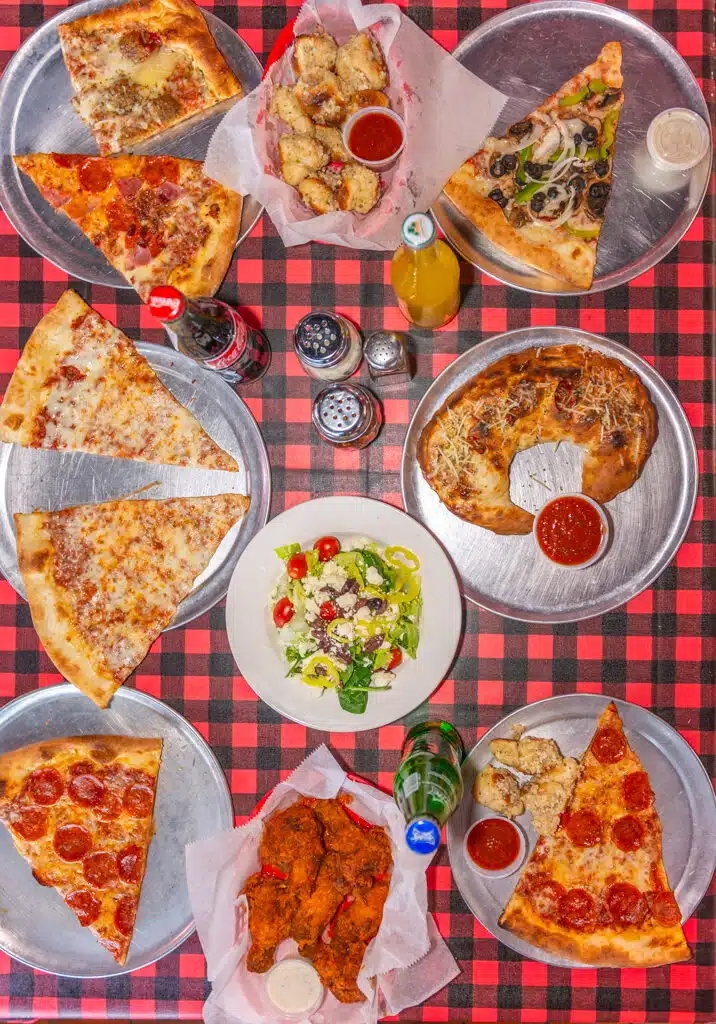
Cheyenne is not the first city people mention when they talk about great pizza, and that is exactly why the local dining scene can surprise you. Good pizza towns are often built quietly. They grow around neighborhoods, youth sports schedules, late work nights, family birthdays, and the kind of Friday routines that people rarely post about but repeat for years. A strong pizza place cheyenne diners return to again and again earns that loyalty through consistency, timing, and atmosphere as much as crust and cheese.
Anyone can judge a pizza by the first glance. The browned cheese, the rise of the crust, the balance of toppings, all of that matters. But the full dining experience is broader. It starts with how a room feels when you walk in and ends with whether the leftovers still taste good the next morning. A memorable pizza meal depends on pace, service, menu judgment, and a clear understanding of what the restaurant is trying to do. Is it a family-first spot with broad appeal? A sports-night standby with pitchers and big tables? A smaller kitchen focused on dough fermentation and carefully sourced toppings? Each style can work beautifully if it is honest about its strengths.
In Cheyenne, that honesty matters. This is a city where people appreciate value, but value does not always mean the lowest price. More often, it means getting a meal that feels worth the time and money, with portions that make sense, service that does not feel rushed, and food that arrives at the right temperature. When a local pizza place gets those basics right, people notice.
What separates a good pizza dinner from a forgettable one
The first thing seasoned diners notice is the dough. Not because everyone talks about hydration levels or fermentation schedules at the table, but because dough tells the truth. A rushed dough tastes flat. A well-made dough has structure and character. It offers some chew, a little crispness if that is the style, and enough flavor to stand on its own. In a strong pizza place cheyenne locals trust, the crust should not function as a disposable handle. It should be part of the point.
Sauce comes next, and it is where many places either overcomplicate or underseason. A balanced tomato sauce should brighten the pie without soaking it. If pizza place cheyenne it leans sweet, it needs enough acid to stay lively. If it goes heavy on herbs, those herbs should support the cheese rather than compete with it. The best versions taste deliberate. They do not disappear beneath the toppings, and they do not dominate the entire bite.
Cheese, despite being the most familiar element, is often where kitchens reveal whether they understand restraint. Too little and a pizza feels dry and mean. Too much and the pie collapses into grease, especially under heavier toppings like sausage or extra pepperoni. A well-built pizza lets you taste the dairy, the dough, and the sauce in proportion. That balance sounds simple, but it is one of the hardest things for a busy kitchen to maintain during a dinner rush.
Service also changes how people perceive flavor. If the staff guides a table well, perhaps suggesting a medium instead of two large pies for a smaller group, or warning that a specialty pizza already eats heavy, the whole meal lands better. Guests leave feeling looked after rather than sold to. Good service at a pizza restaurant is practical. It reads the room. It knows whether a table wants efficient family dinner logistics or a slower meal with drinks and conversation.
Cheyenne rewards places that understand real dining habits
Dining patterns in Cheyenne differ from those in larger cities where restaurants can survive on trend alone. Here, repeat business matters. Guests notice whether a place can handle a Little League crowd at 6:00 p.m., a date-night couple at 7:30, and a takeout wave just before 8:00 without losing quality. A restaurant that cannot manage those transitions struggles, no matter how appealing the menu sounds online.
Weather plays a role too. On cold evenings, diners want comfort without chaos. They want a room that feels warm, not cramped, and a meal that arrives without long unexplained delays. On busier weekends, the best local pizza spots know how to keep the energy up while still turning tables with some grace. It takes discipline in the kitchen and a floor staff that communicates clearly.
That local rhythm affects what people order. In Cheyenne, pizza often has to satisfy mixed groups. One person wants a classic pepperoni pie. Another wants vegetables. Someone else is counting on wings, salad, or a sandwich because pizza alone will not do it for them. A restaurant that recognizes this and builds a menu with enough range, without becoming scattered, usually performs better over time. Variety matters, but focus matters more. A kitchen should know its lane.
I have found that the strongest pizza meals happen in places with a little confidence and a little humility. They know which pie represents the house best. They also know that most diners are not looking for a lecture. They want a recommendation that works. If the server says, “Our thinner crust holds up better under those toppings,” that is useful. If they steer a family away from over-ordering, that builds trust. Those moments make a neighborhood restaurant feel dependable.
The room matters more than people admit
Pizza is communal food. Even when someone orders an individual pie, the experience still carries a shared, relaxed quality. That makes the dining room unusually important. The ideal pizza place cheyenne visitors and locals enjoy should feel accessible from the door onward. The host stand should not create a bottleneck. The tables should be arranged so families can settle in without clipping every passing tray. The acoustics should allow conversation without draining the room of energy.
There is a difference between lively and loud. Many restaurants miss it. A little background noise, the sound of an oven door opening, the movement of servers, glasses clinking, those details can make a dining room feel alive. But when the sound bounces so hard that parents cannot hear their kids and couples have to lean across the table, the meal becomes work. Pizza should not require effort beyond deciding whether to order another topping.
Cleanliness matters in a particular way at pizza restaurants because the format exposes the operation. Diners can often see slices moving, dough being stretched, boxes stacked, and staff crossing from kitchen to counter. A spotless marble bar is nice, but visible organization is more reassuring. If the front of house looks in control, guests assume the back is too.
Lighting deserves more respect than it gets. Harsh light flattens a room and makes even good food feel utilitarian. Overly dim lighting can work for a wine bar, but it makes family pizza nights awkward. The best pizza spaces find a middle ground. Warm light, comfortable visibility, and enough contrast to make the food look appetizing without making the room theatrical.
Ordering well is part of the experience
Even at an excellent restaurant, people can build themselves into a mediocre meal. Ordering pizza takes some judgment. The best outcome usually comes from matching the pie to the occasion rather than trying to sample everything at once.
For a family with younger kids, a classic pie and one mildly adventurous option usually works better than four specialized pizzas that leave everyone negotiating slices. For two adults dining in, one pizza with a strong side or salad often creates a more balanced meal than a table overloaded with appetizers. For larger groups, variety matters, but so does texture. If every pizza is topped heavily, the meal can start to feel monotonous by the third slice.
One practical rule helps in almost every pizza setting:
- Start with one familiar pie for the table.
- Add one house specialty if the restaurant is known for it.
- Keep at least one order light, either a salad or a simpler pizza.
- Avoid stacking too many wet toppings on a single crust.
- Ask what travels best if you expect leftovers.
That kind of ordering protects the meal from two common problems: excess and sogginess. Both are easy to create, especially when a group arrives hungry and starts adding ingredients with no plan. More toppings do not automatically mean more flavor. Very often, they mean less definition.
A good server can help here, but diners should help themselves too. Think about contrast. If one pizza is rich with sausage and extra cheese, another should probably lean brighter, perhaps with vegetables, a lighter hand on the cheese, or a sharper sauce profile. Contrast makes a table feel abundant without forcing quantity.
The best menus know their identity
There is always a temptation for pizza places to become all things to all people. Wings, pasta, sandwiches, desserts, local beer, gluten-free crust, cauliflower crust, build-your-own calzones, loaded fries, family bundles, lunch slices, and on and on. Some breadth is sensible. Too much, and the menu starts to read like a compromise.
The strongest restaurants choose a clear center. Maybe the crust is the main event. Maybe the signature pies drive the reputation. Maybe the draw is reliability, fast service, and broad family appeal. Whatever the anchor is, the rest of the menu should support it.
When I look at a pizza menu, I pay attention to how specialty pies are built. If every option is piled high with five meats or six vegetables, the kitchen may be using toppings as camouflage. If there are a few combinations that show restraint and confidence, such as a pie built around pepperoni and hot honey, or roasted vegetables with a thoughtful cheese blend, that is a better sign. Restraint is harder than abundance.
Appetizers should also make sense. Garlic knots, breadsticks, wings, or a straightforward salad all earn their place because they fit the rhythm of a pizza meal. A menu that wanders too far away from its core often slows down service and muddies expectations. Diners may enjoy the variety at first, but consistency usually suffers if the kitchen is trying to execute too many identities at once.
Timing, temperature, and the hidden mechanics of satisfaction
Ask frequent restaurant guests what ruins a pizza dinner, and they rarely mention seasoning first. More often, they mention timing. Appetizers arrive too late. Drinks sit empty. Pizza lands before plates. A second pie shows up ten minutes after the first one is half gone. The kitchen may still be making decent food, but the experience fragments.
Pizza is unusually sensitive to temperature. A pie that sits even a few extra minutes loses some of its edge. The cheese tightens, the crust softens, steam changes the texture. That is why a well-run dining room feels smooth even when it is busy. Staff need to know when a table is ready, when to fire courses, and how to pace larger orders.
Cheyenne diners, like diners anywhere, can forgive a short wait if they feel the restaurant is organized and honest. They are less forgiving when no one communicates. A simple update from the server can preserve the mood of a table. So can a practical adjustment, such as bringing a salad early if the kitchen is backed up. Small interventions keep the meal on track.
This matters even more with takeout and delivery. Not every pizza style travels well. Thinner pies can lose heat quickly. Heavy topping loads trap steam and soften crusts in the box. A reputable pizza place cheyenne customers count on should understand that travel changes the product. Strong operators vent boxes when needed, stage orders carefully, and avoid letting finished pies die on the counter.
Dining in versus taking out
There are nights when only a booth, a cold drink, and a hot pie fresh from the oven will do. There are other nights when takeout is the right move, and a smart restaurant serves both experiences well. The two formats are not interchangeable, though.
Dining in highlights atmosphere, service, and immediacy. The crust reaches the table at its best. The cheese still stretches. The room contributes to the meal. Takeout shifts the standard. Packaging, order accuracy, and timing become central. A pizza that is excellent in house may be merely good after a fifteen-minute drive home. That is not failure. It is physics.
The best way to order depends on what you value that evening. If texture is everything, eat at the restaurant. If convenience wins, order pies that tolerate travel better. Thicker crusts often hold up better than very thin ones. Simpler topping combinations also survive the trip with less moisture buildup. If pizza place cheyenne you know the drive will be longer, ask for the pie slightly less cut only if the restaurant offers that option and if you know what you are doing at home. Otherwise, let the kitchen control the finish.
For families, takeout has obvious advantages, but dining in can be easier than people expect when the restaurant is built for it. A good pizza place handles spilled drinks, extra napkin requests, quick refills, and variable attention spans without making parents feel like they are apologizing for existing. That is a real asset, and locals remember it.
Value is not the same as cheap
A pizza dinner can become expensive fast, especially when appetizers, drinks, and specialty toppings enter the picture. Still, diners often judge value less by the final total than by whether the bill matches the experience. A slightly higher check feels fair if the ingredients are solid, the portions are honest, and the service is attentive.
One of the clearest signs of a trustworthy restaurant is that it helps customers spend wisely. It does not push the largest size when a medium will do. It does not encourage needless add-ons. It explains the house specialties clearly and lets guests order with confidence. That kind of transparency creates repeat customers faster than discounting ever will.
There is also a practical difference between portion size and satisfaction. Oversized pizzas can look generous while eating poorly. A slightly smaller pie with a better crust, better cheese balance, and well-chosen toppings often leaves a stronger impression. Diners notice that, even if they cannot always articulate why.
What experienced diners look for right away
Regular restaurant guests tend to make their decision about a place quickly, often before the first slice lands. They notice whether the host acknowledges people promptly, whether tables are being cleared efficiently, whether the dining room smells like fresh bake rather than stale fryer oil, and whether the menu reads like a kitchen with a point of view.
Here are a few early indicators that usually point in the right direction:
- The staff can describe the crust and house pies without reading the menu back to you.
- The dining room feels busy but not frantic.
- The simple options, such as cheese or pepperoni, are treated with respect.
- The restaurant manages both families and smaller parties without tension.
- The pizza arrives hot enough that the first bite demands a brief pause.
That last detail sounds almost too obvious to mention, but it tells you plenty. Hot food is not just a kitchen outcome. It reflects communication, pacing, and discipline across the whole operation.
Why local pizza loyalty runs deep
Pizza restaurants become part of people’s routines in a way many other businesses never do. They host team celebrations, easy weeknight dinners, low-key anniversaries, and the kind of “nobody feels like cooking” evenings that define real life. In a city like Cheyenne, where community ties matter and habits are strong, that role is amplified.
The places that endure understand they are not selling only pizza. They are providing relief, comfort, familiarity, and a setting for ordinary moments that turn out to matter. The child who colors at the same corner booth grows into the teenager meeting friends there after a game. The couple who started with takeout on busy weeknights returns later with kids of their own. Restaurants that stay steady through those seasons earn a kind of trust that marketing cannot buy.
That is why the ultimate pizza place cheyenne dining experience is not about chasing novelty for its own sake. It is about a restaurant doing the fundamentals exceptionally well, then repeating that standard often enough that people build it into their lives. Great crust helps. So do thoughtful toppings, balanced sauce, and capable service. But what people remember most is the feeling that the meal came together exactly as it should have.
When a pizza place reaches that level, the experience feels effortless from the guest side. The room is welcoming. The order makes sense. The pie arrives hot, properly built, and worth slowing down for. Conversation gets easier after the first slice. The table relaxes. Someone reaches for another piece before the first one is finished. That is when you know the restaurant got it right.
Ruffrano's Hell's Kitchen Pizza Cheyenne
Address: 1670 E Cheyenne Mountain Blvd, Colorado Springs, CO 80906
Phone number: +17195764355
FAQ About Pizza Place Cheyenne
What's the most popular pizza place?
The "most popular" pizza place depends on whether you measure by location count, total sales, or customer favorite status.
What is the 2 pizza rule?
The two-pizza rule is a management principle made popular by Amazon founder Jeff Bezos. It states that a team or meeting should never be larger than what can be fed with two large pizzas—typically translating to a group of 5 to 10 people (or roughly 6 to 12 people depending on appetites).
Is 2 pizzas enough for 10 people?
No, 2 pizzas are usually not enough for 10 people.