Pizza Place Cheyenne Picks for Fresh-Baked Perfection
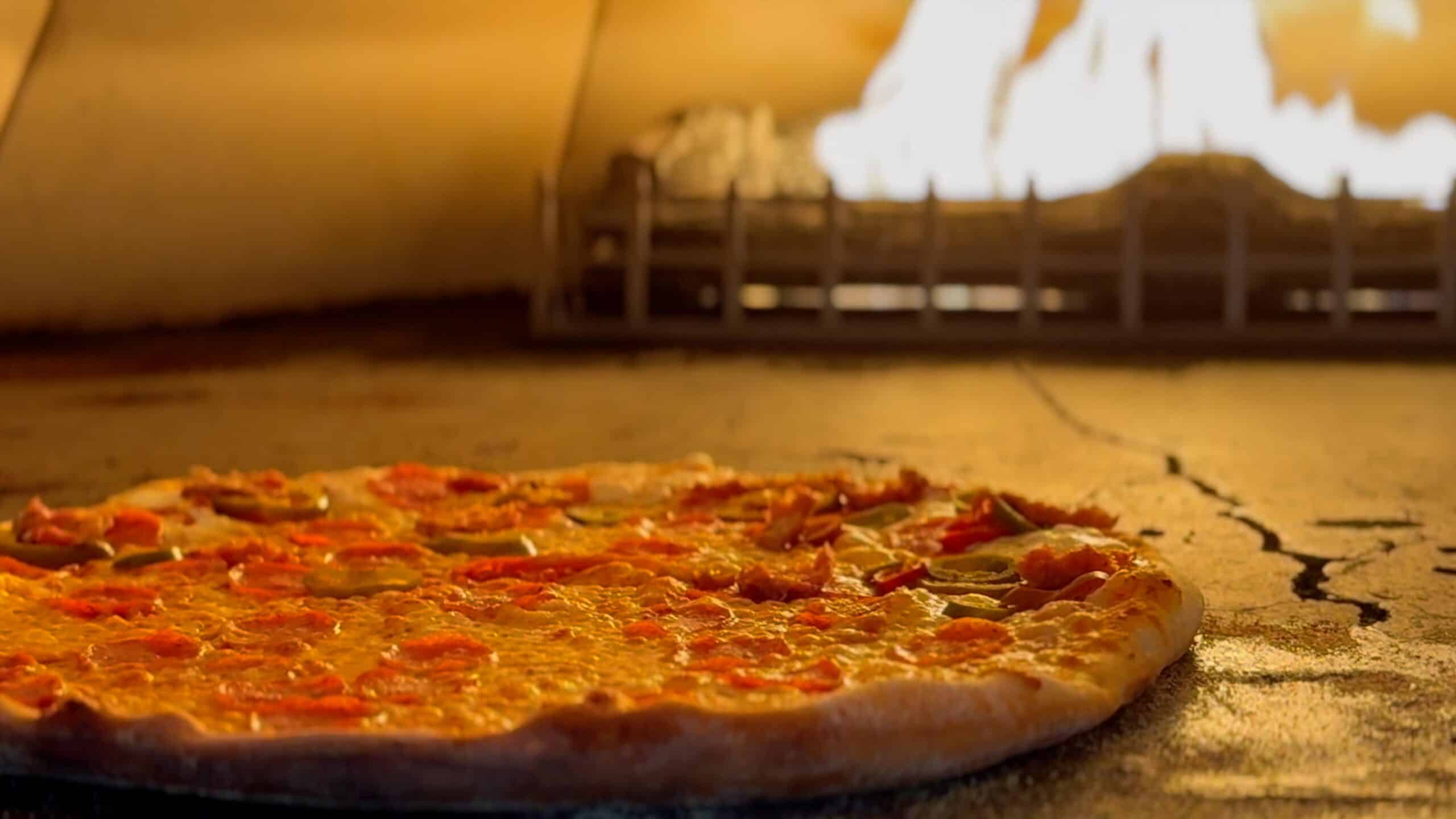
Finding a great pizza place in Cheyenne is not hard. Finding one that delivers true fresh-baked perfection, the kind of pie that arrives with a lively crust, balanced sauce, and cheese that still stretches instead of congealing, takes more care. Pizza is one of those foods that looks simple from a distance and gets more demanding the closer you pay attention. Flour, water, salt, yeast, tomatoes, cheese. That short list leaves nowhere to hide.
Cheyenne has the kind of dining scene where local preference matters. People want food that feels honest, portions that justify the price, and a kitchen that can handle both a weeknight family dinner and a game-day rush without letting standards slide. That makes pizza a useful benchmark. A restaurant can have a broad menu and still reveal its strengths, or weaknesses, through a single well-made pie.
When people search for the right pizza place Cheyenne option, they are usually after more than convenience. They want a room that smells like toasted dough, not old fryer oil. They want a crust with structure, not a limp delivery platform. They want toppings applied with judgment. Too sparse and the pizza feels stingy. Too heavy and the center collapses into soup. The best places understand this balance so well that the pie feels effortless, even though it is anything but.
Fresh-baked means more than “served hot”
A pizza can be hot and still be mediocre. Fresh-baked perfection starts earlier, with fermentation, oven management, ingredient storage, and timing at the cut table. One of the clearest signs of experience in a pizza kitchen is restraint. Skilled pizza makers do not try to overwhelm every pie with cheese, sauce, and novelty toppings. They know a crust needs dry heat to set properly. They know fresh mozzarella behaves differently from low-moisture mozzarella. They know mushrooms dump water if they are piled on carelessly.
That matters because texture is the first thing people notice, even before they name it. A good slice should resist slightly at the edge, fold if the style calls for it, and keep enough integrity to carry toppings from plate to bite. If you pick up a slice and all the cheese slides off in one sheet, something went wrong. Usually it is excess moisture, underbaked dough, or poor assembly order.
Cheyenne diners tend to appreciate straightforward quality. That is good news for anyone trying to choose well, because the best pizza place Cheyenne locals return to usually gets the basics right first. A kitchen that nails cheese pizza is often worth trusting with more ambitious combinations. A place that cannot make a convincing plain pie is asking toppings to do too much work.
The crust tells the truth
I have always judged a pizzeria by the outer inch of the pie. Toppings draw attention, but crust tells the truth. It shows whether the dough was mixed with care, fermented long enough, stretched properly, and baked in an oven with enough heat to create contrast. Great crust has a distinct personality. It might be blistered and airy, crisp and crackly, or chewy with a malty finish. What it should never be is forgettable.
In Cheyenne, where weather and altitude can affect baking more than casual diners realize, dough management separates the serious operators from the merely adequate. Flour absorbs differently in dry conditions. Fermentation timing can drift. Oven behavior changes during a rush. A pizza kitchen that produces consistent crust night after night is doing real work behind the scenes.
You can often spot that work in small details. The rim rises evenly instead of forming random thick bubbles around a flat center. The underside shows color without burning. The slice cools gradually rather than turning leathery after three minutes. Even the sound matters. A thin-crust pie with a little crackle when cut has usually spent time in the right oven, at the right temperature, for the right duration.
Sauce should support, not dominate
A lot of disappointing pizza comes from sauce that tries too hard. Over-seasoned sauce can flatten the whole pie into one loud note. Excess sugar masks weak tomatoes. Heavy garlic, while appealing in theory, can become the only thing you taste.
The better pizzerias keep sauce in proportion. It should brighten the richness of the cheese and underline the wheat flavor of the crust. Good sauce also respects the style. A New York-style slice may need a smoother, lighter layer. A pan pizza can carry a little more body and sweetness because the crust is thicker and often more buttery at the edges. A wood-fired pie benefits from restraint because the high-heat oven already contributes smoky complexity.
When evaluating any pizza place Cheyenne diners are considering, sauce is one of the easiest places to start. Order something simple on the first visit. Cheese, pepperoni, or margherita if the menu offers it. That first pie reveals whether the kitchen understands balance. If the sauce tastes canned and dull, toppings are unlikely to save the experience. If it tastes bright, seasoned, and integrated, the odds improve quickly.
Cheese is where value and quality collide
Cheese is expensive, which is why it is one of the first places struggling restaurants cut corners. You can taste that compromise immediately. Cheap cheese leaves a greasy film, browns strangely, and cools into a rubbery blanket. Better cheese melts evenly, carries a clean dairy flavor, and supports the toppings without burying them.
This is also where diner expectations can work against quality. Many people equate more cheese with better pizza. Sometimes that is true, especially on certain pan pies or extra-indulgent house specials. Often it is not. Too much cheese insulates the dough from the oven and traps moisture under the topping layer. The result is a gummy center and a crust that never quite recovers.
A reliable shop knows how to calibrate cheese for each size and style. That level of consistency may sound minor, but it is one of the clearest marks of professionalism. During a Friday rush, a disciplined kitchen still portions carefully. A less disciplined one starts tossing handfuls and hoping speed covers mistakes.
Toppings should taste intentional
There is a difference between a generous pizza and an overloaded one. The best topping combinations feel composed, not crowded. Pepperoni should curl or crisp depending on the style, but it should not flood the pie with oil. Sausage should taste like seasoned meat, not anonymous crumbles. Vegetables should add bite and freshness without steaming the center into softness.
Cheyenne diners often order for groups, which means pizzerias here do well when they can satisfy several tastes at once. That can tempt menus into excess, pages of combinations with everything from barbecue chicken to six-meat specials to ranch-heavy experiments. Some of those are enjoyable, but only when the kitchen maintains discipline. Novelty never excuses imbalance.
If you are trying a new place, a few signs usually predict whether the pizza will be worth your time:
- A concise core menu with house combinations that sound thought through
- Toppings cut to bake evenly, not in oversized chunks
- Distinct flavor from the crust, not just from the cheese or sauce
- Slices that hold their structure for more than a minute out of the oven
- A kitchen smell dominated by baked dough and tomatoes, not fryer grease
These details sound modest until you compare them against a disappointing pie. Then they become the whole difference between “fine” and memorable.
The room matters more than people admit
Pizza is casual food, but the environment still shapes the experience. A dining room does not need polish to be good. It does need order. Clean tables, efficient service, and visible confidence from the staff all reinforce the sense that the kitchen cares. In a strong pizzeria, front-of-house employees usually know the menu well enough to steer guests toward styles and away from poor fits. If a very thin pie tends to soften on a long drive home, they should tell you. If a pan pizza needs extra bake time, they should explain it.
That kind of guidance is valuable in a city where weather can alter the trip from oven to table. Anyone who has carried takeout through a cold, windy evening knows how quickly steam can change the crust. A box traps moisture. A ten-minute drive can undo what the oven got right. Some pizza styles travel well. Others are best eaten on-site. The smartest pizza place Cheyenne residents rely on is often the one honest enough to admit that.
I have seen excellent pizzas lose half their charm in transit. A crisp, thin pie softens. Delicate basil darkens. Fresh mozzarella weeps into the crust. None of that means the restaurant failed. It means pizza is highly perishable at its peak. Fresh-baked perfection is fragile by nature.
How to order like someone who wants the best pie, not just the fastest meal
There is a practical side to getting a better pizza, and it starts with timing. Mid-rush can reveal a kitchen’s consistency, but it can also increase the odds of a rushed bake or a crowded pickup shelf. Off-peak ordering often gives the staff more room to execute carefully. Lunch can be ideal for a first visit because you can assess quality without the full dinner crush.
It also helps to match your order to the house style. If a shop clearly excels at thin, crisp pies, ordering the heaviest loaded specialty may work against what they do best. If pan pizza is their pride, that is where you should start. Restaurants often tell you who they are if you pay attention to menu language, oven descriptions, and the combinations they feature most prominently.
For first-time orders, this approach works well:
- Start with a simple pie and one signature combination
- Eat at least one slice immediately on-site or as soon as you get home
- Judge the crust separately from the toppings
- Notice whether the second slice holds up better or worse as it cools
- Save the more elaborate customizations for the next visit
This sounds almost fussy, but pizza rewards small acts of attention. One good order teaches you far more about a restaurant than three overloaded ones.
Different styles deserve different standards
One reason pizza conversations go in circles is that people compare unlike things. A New York-style slice should not be judged by the same standards as a deep pan pie. A wood-fired pizza is aiming for delicacy and char. A tavern-style pie is built for thin crunch and repeat bites. A hand-tossed family pizza may lean softer and heavier by design.
Cheyenne diners benefit from recognizing style before score. If a place serves a thinner pie with a modest topping load and a quick bake, the center may have more flexibility. That is not failure. It may be intentional. If a thick pan pie comes out deeply browned at the edge with a softer interior crumb, that contrast is the point. The key question is not whether every pizza behaves the same. It is whether each one succeeds on its own terms.
This is where experienced diners separate preference from quality. You may personally prefer a crisp, foldable slice, but still recognize that a thicker house pie is well made. That distinction helps when choosing a pizza place Cheyenne friends or family members can all enjoy. The best group order is not always your favorite style. It is the place most likely to execute its chosen style consistently.
Service reveals the kitchen’s confidence
Good pizza service has a rhythm. Orders are repeated back correctly. Wait times are realistic. Staff members know which pies take longer and say so without hesitation. When a restaurant is proud of its product, the service tends to reflect it. Not in a polished fine-dining way, but in a grounded, competent one.
I pay close attention to how a pizzeria handles simple questions. Ask whether a particular pie travels well, whether a crust can be made extra crisp, or whether a topping tends to make the pizza heavier. Strong shops answer directly. Weak ones default to vague reassurance. “Everything’s good” is rarely useful. “That one is best if you eat it here” is useful.
For families, this matters even more. A dependable pizzeria understands pacing. Children often need food quickly, adults want a hot pie instead of a rushed one, and groups appreciate flexibility without chaos. Kitchens that can manage those competing needs tend to earn repeat business for good reason.
Price, portion, and value are not the same thing
Pizza pricing can be deceptive. A large pie that looks inexpensive may use inferior cheese, underproofed dough, and bargain toppings. A slightly pricier pizza may offer better fermentation, stronger ingredients, and a pie that feels satisfying with fewer slices. Value lives in the eating experience, not just the menu board.
That said, portion matters. Cheyenne is not a market where tiny artisanal portions automatically win people over. Diners expect substance. The restaurants that thrive usually manage both quality and generosity. They serve pizza that feels abundant without becoming sloppy.
One practical way to judge value pizza place cheyenne is leftovers. A truly good pizza often reheats better because the structure was sound to begin with. The crust may crisp again in a skillet or oven. The pizza place cheyenne cheese may re-melt cleanly. A bad pizza usually declines fast, leaving a soggy, greasy reminder of corners cut. That next-day test is more revealing than most online reviews.
What “fresh-baked perfection” really looks like
Perfection in pizza is not about theatrical flour tosses or menus crowded with adjectives. It is about the moment a box opens and everything makes sense at once. You see a crust with life in it. You smell toasted grain, tomato, and dairy in proper balance. You lift a slice and it behaves the way that style should. Then you take a bite, and the flavors arrive in sequence instead of all at once. Crust first, then sauce, then cheese, then toppings. Nothing shouting over the rest.
That experience is available in Cheyenne, but it rewards discernment. The right pizza place Cheyenne search is less about chasing hype and more about knowing what to notice. Pay attention to crust structure, sauce restraint, topping discipline, and service honesty. Give extra credit to places that stay consistent during busy hours and tell the truth about what travels well. Trust the plain pie. Respect the second slice. Remember that fresh-baked pizza is a small window of excellence, and the best shops know how to hit it more often than not.
If you are narrowing down your own picks, start with fundamentals and let the restaurant prove itself. The strongest pizzerias do not need gimmicks. They need a hot oven, a well-managed dough, and enough professional pride to treat every pie like it matters. That is the standard worth looking for in any Cheyenne pizza stop, and it is still the surest path to fresh-baked perfection.
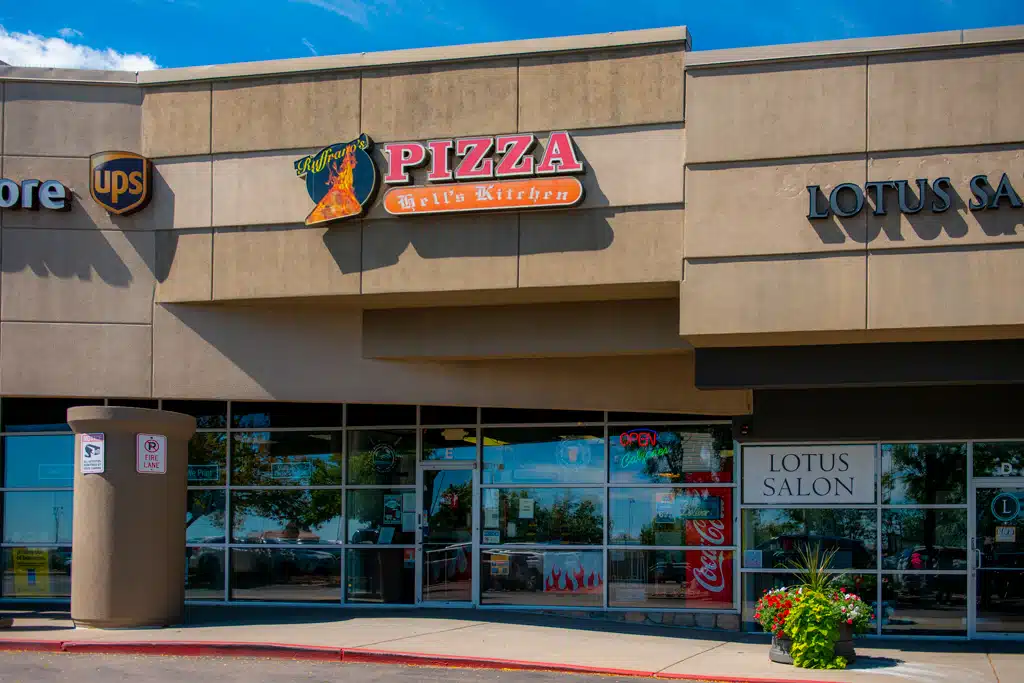
Ruffrano's Hell's Kitchen Pizza Cheyenne
Address: 1670 E Cheyenne Mountain Blvd, Colorado Springs, CO 80906
Phone number: +17195764355
FAQ About Pizza Place Cheyenne
What's the most popular pizza place?
The "most popular" pizza place depends on whether you measure by location count, total sales, or customer favorite status.
What is the 2 pizza rule?
The two-pizza rule is a management principle made popular by Amazon founder Jeff Bezos. It states that a team or meeting should never be larger than what can be fed with two large pizzas—typically translating to a group of 5 to 10 people (or roughly 6 to 12 people depending on appetites).
Is 2 pizzas enough for 10 people?
No, 2 pizzas are usually not enough for 10 people.